
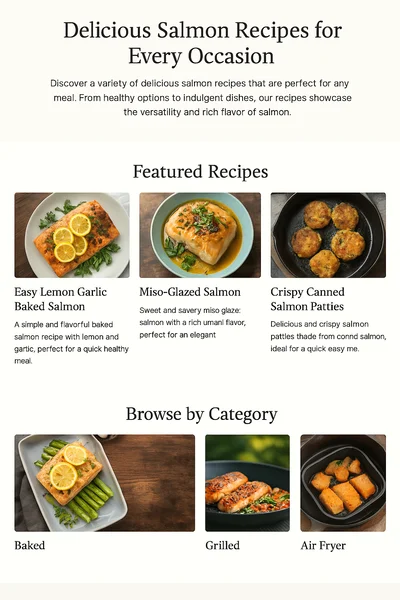
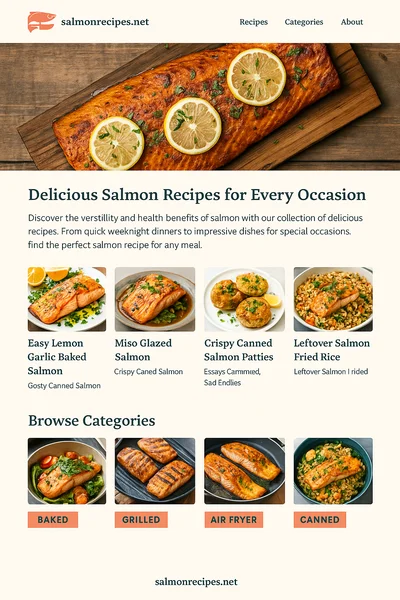
Featured Recipes
Easy Lemon Garlic Baked Salmon
This quick and flavorful baked salmon is brushed with a lemon garlic butter and baked until perfectly flaky.
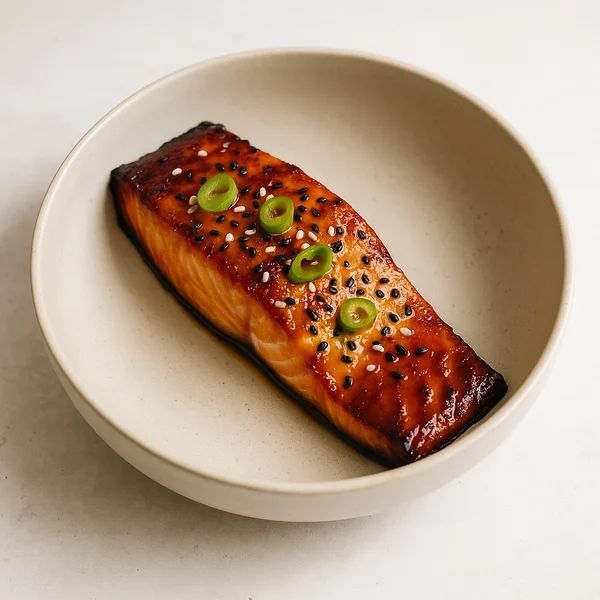
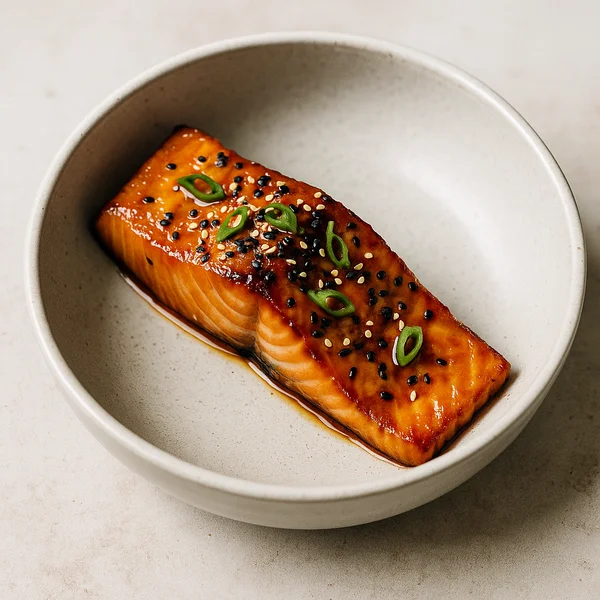
Miso Glazed Salmon
Rich and savoury miso glaze coats tender salmon fillets that are baked until caramelised.
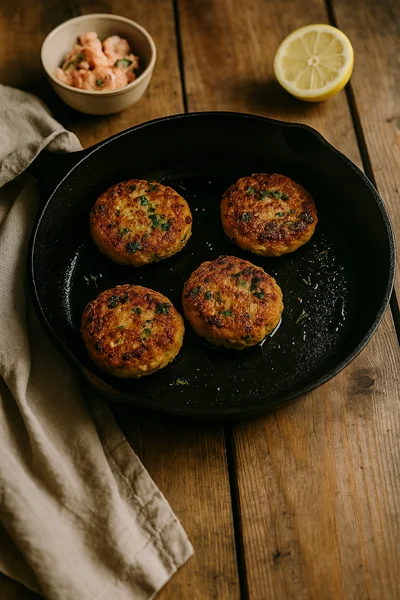
Crispy Canned Salmon Patties
These golden salmon patties come together quickly using pantry staples and are pan‑fried until crisp.
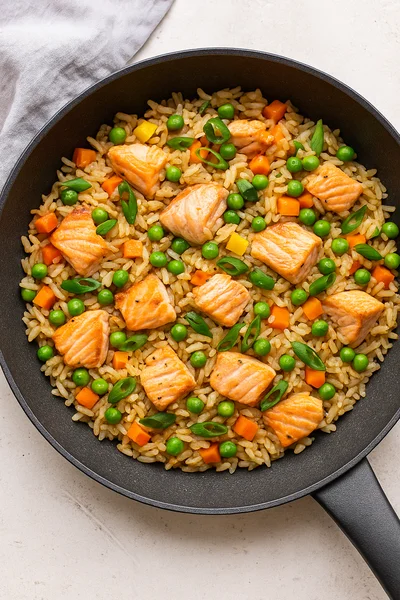
Leftover Salmon Fried Rice
Turn leftover fish into a satisfying fried rice loaded with vegetables and savoury flavour.
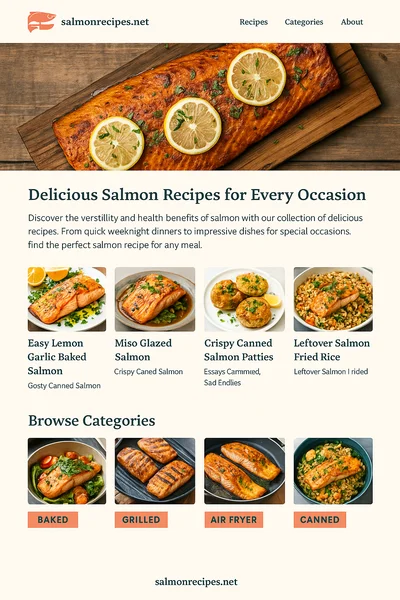
Easy Salmon Ramen
Seared salmon, a miso-soy broth, jammy egg and bok choy in about 25 minutes.
Side of Salmon with Madeira Sauce
Roast a whole fillet for a crowd and serve it with a glossy Madeira sauce.
Salmon Cooking Guides
Salmon Cooking Times
Chart and calculator for oven, air fryer, pan, grill and frozen salmon, by thickness.
Types of Salmon
King, sockeye, coho, Atlantic, pink and chum compared — and which to buy for each recipe.
Sauces for Salmon
14 quick sauces, from lemon butter and dill yoghurt to chimichurri and red wine.
What to Serve with Salmon
Side dishes matched to how the salmon is cooked and seasoned.
Why Cook with Salmon?
Salmon is one of the most nutritious and versatile fish you can cook. Whether you're looking to improve your health, expand your culinary skills, or simply enjoy delicious meals, salmon delivers on all fronts.
Health Benefits
- Rich in Omega‑3 Fatty Acids: Salmon is one of the richest food sources of the long‑chain omega‑3s EPA and DHA.
- High‑Quality Protein: A 4‑ounce (113 g) serving of cooked salmon provides roughly 22‑25 g of complete protein, essential for muscle maintenance, immune function, and overall health.
- Packed with Vitamins: Salmon is an excellent source of vitamin D (hard to find in food), B vitamins (especially B12 and B6), and selenium, a powerful antioxidant.
- Heart‑Healthy: The American Heart Association recommends eating fish, particularly oily fish such as salmon, about twice a week as part of a heart‑healthy diet (AHA guidance).
- Brain Development: DHA, one of the omega‑3s in salmon, is a major structural fat in the brain and eyes, which is one reason fish low in mercury, like salmon, is recommended during pregnancy and childhood (FDA advice about eating fish).
General nutrition information, not medical advice. If you are pregnant, have a fish allergy or a medical condition, follow your doctor's or dietitian's guidance.
Culinary Advantages
- Quick Cooking: Most salmon recipes take 20 minutes or less, making it perfect for busy weeknights.
- Incredibly Versatile: Salmon works with virtually any cooking method – baking, grilling, pan‑searing, air frying, poaching, or even raw in sushi.
- Flavor Adaptability: Its rich, mild flavor pairs well with countless cuisines from Asian to Mediterranean to classic American.
- Beginner‑Friendly: Salmon is forgiving and hard to completely ruin, making it ideal for new cooks building confidence — see how to cook salmon to the right doneness for the temperature targets that take the guesswork out.
- Budget Options: Canned salmon provides the same nutritional benefits at a fraction of the cost of fresh fillets.
How to Select Fresh Salmon
Choosing high‑quality salmon makes a significant difference in flavor, texture, and your overall cooking results. Here's what to look for when shopping:
Visual Inspection
- Color: Fresh salmon should have vibrant color – bright orange‑pink for Atlantic or sockeye, lighter pink for coho or pink salmon. Avoid dull, faded, or brownish flesh.
- Appearance: The flesh should look moist and slightly translucent, not dry or chalky. White lines (fat) should be clearly visible.
- Surface: Look for firm, resilient flesh that springs back when gently pressed. Avoid mushy or soft spots.
- Skin: If skin‑on, it should be shiny and metallic‑looking with intact scales, not dull or slimy.
The Smell Test
- Fresh salmon smell: Should smell mildly oceanic or like cucumber – clean and fresh, never fishy or ammonia‑like.
- Strong odor = pass: Any strong, unpleasant, or "fishy" smell indicates the fish is past its prime.
Wild vs. Farm‑Raised
- Wild Salmon: Caught in natural waters (Pacific is most common). Typically has firmer texture, deeper color, richer flavor, and higher omega‑3 content. More expensive and seasonal.
- Farm‑Raised: Mostly Atlantic salmon raised in controlled environments. Milder flavor, softer texture, fattier, and more affordable. Available year‑round with consistent quality.
- Which to choose: Both are nutritious. Wild for special occasions and intense flavor; farm‑raised for everyday cooking and budget‑friendliness. For a species-by-species comparison — sockeye, coho, king, Atlantic and others — see our guide to types of salmon.
Shopping Tips
- Buy from reputable sources: Choose stores with high turnover and visible freshness dates.
- Ask questions: Don't hesitate to ask when the fish arrived and if you can smell it before purchasing.
- Check the date: Look for "packed on" or "use by" dates and choose the freshest available.
- Previously frozen is OK: Much "fresh" salmon was previously frozen. This is perfectly fine if it was handled properly.
- Consider frozen: Flash‑frozen salmon can be excellent quality, often frozen within hours of catch, locking in freshness.
Salmon Storage Guide
Proper storage is crucial for maintaining salmon's quality, safety, and flavor. Follow these guidelines to keep your salmon fresh and delicious:
Fresh Salmon Storage
- Refrigerate immediately: Store fresh salmon in the coldest part of your refrigerator (usually the back of the bottom shelf) at 32‑38°F.
- Keep it cold: Place the wrapped salmon on a bed of ice in a container, replacing ice as it melts. This keeps it at optimal temperature.
- Use quickly: Fresh salmon should be cooked within 1‑2 days of purchase for best quality and safety.
- Original packaging: If vacuum‑sealed, keep it sealed until ready to use. If not, rewrap tightly in plastic wrap or place in an airtight container.
- Separate from other foods: Store salmon away from ready‑to‑eat foods to prevent cross‑contamination.
Freezing Salmon
- Freeze fresh: Freeze salmon as soon as possible if not using within 1‑2 days. The fresher it is when frozen, the better quality when thawed.
- Proper wrapping: Wrap tightly in plastic wrap, then aluminum foil, or use freezer bags removing as much air as possible to prevent freezer burn.
- Portion first: Divide into meal‑sized portions before freezing so you can thaw only what you need.
- Label and date: Always label with the date and type of salmon. Use within 2‑3 months for best quality, though it remains safe longer.
- Flash‑frozen is best: Commercially flash‑frozen salmon often has better texture than home‑frozen due to rapid freezing.
Thawing Safely
- Refrigerator thawing (best): Thaw salmon in the refrigerator overnight (6‑8 hours). Place on a plate to catch any drips.
- Cold water method (faster): Seal salmon in a plastic bag and submerge in cold water, changing water every 30 minutes. Takes 1‑2 hours.
- Never thaw at room temperature: This promotes bacterial growth and creates food safety risks.
- Cook from frozen: You can cook frozen salmon directly, though it takes about 50% longer. Rinse ice glaze off first.
- Don't refreeze: Once thawed, use within 1‑2 days. Don't refreeze raw salmon unless you cook it first.
Cooked Salmon Storage
- Cool quickly: Refrigerate cooked salmon within 2 hours of cooking (1 hour if room temperature is above 90°F).
- Airtight container: Store in airtight containers or wrap tightly to maintain moisture and prevent odors from spreading.
- Use within 3‑4 days: Cooked salmon stays good in the refrigerator for 3‑4 days.
- Freezing cooked salmon: Cooked salmon can be frozen for up to 2‑3 months. Freeze in portions for easy meal planning.
- Great for meal prep: Cooked salmon works perfectly in salads, bowls, fried rice, and pasta throughout the week.
Browse by Category
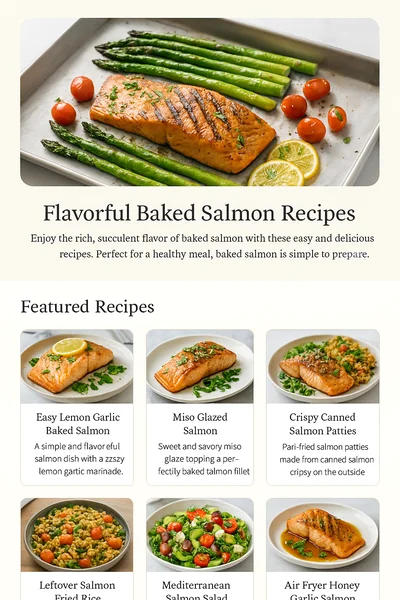
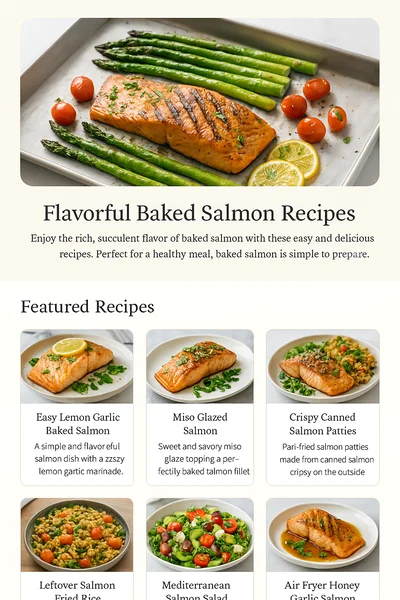
Flavorful Baked Salmon
Discover how oven‑baking brings out the delicate texture and rich flavour of salmon. These baked recipes are perfect for weeknight dinners and special occasions alike.
Smoky Grilled Salmon
Fire up the grill for these salmon recipes that boast smoky char and caramelised sauces. Great for outdoor gatherings and summer meals.
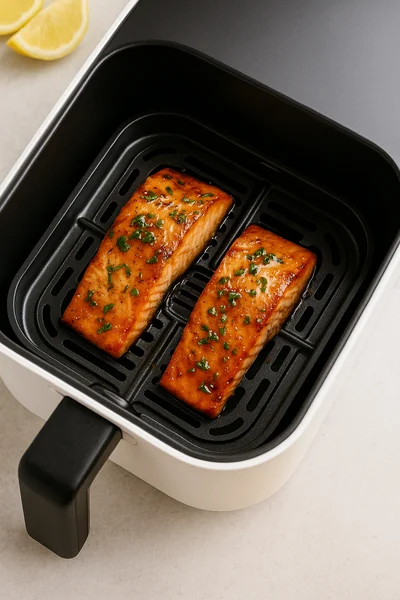
Crispy Air Fryer Salmon
The air fryer makes cooking salmon quick and mess‑free. Get perfectly crisp results with these easy air fryer recipes.
Creative Canned Salmon
Turn humble canned salmon into delicious meals with these clever and budget‑friendly recipes.
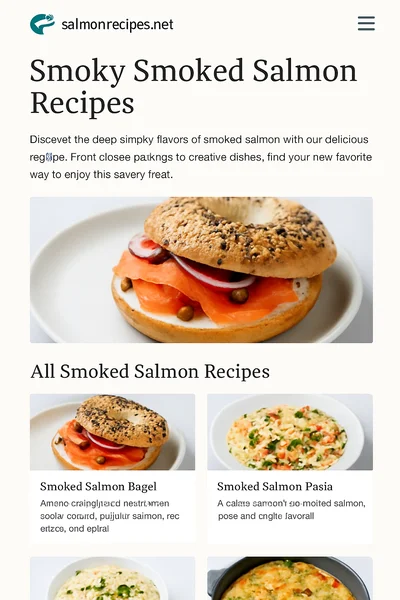
Irresistible Smoked Salmon
Smoky, silky and luxurious – explore recipes featuring smoked salmon in appetisers, salads and more.
Miso‑Infused Salmon
Miso lends deep umami to salmon dishes. These recipes showcase the magic of miso in marinades, glazes and broths.
Healthy Salmon
Nutritious doesn’t mean boring. These wholesome salmon recipes are packed with flavour and good‑for‑you ingredients.
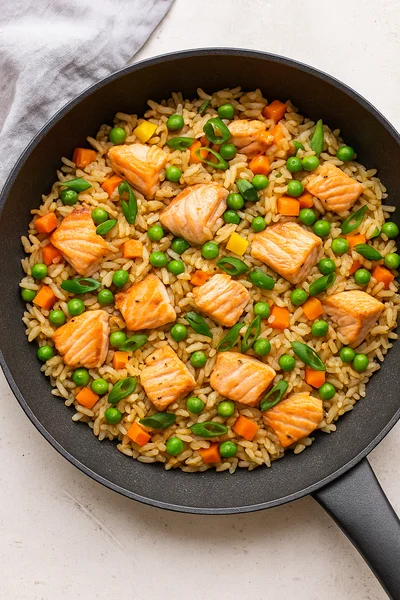
Leftover Salmon
Transform your leftover salmon into exciting new meals with these inventive recipes that reduce waste and maximise taste.